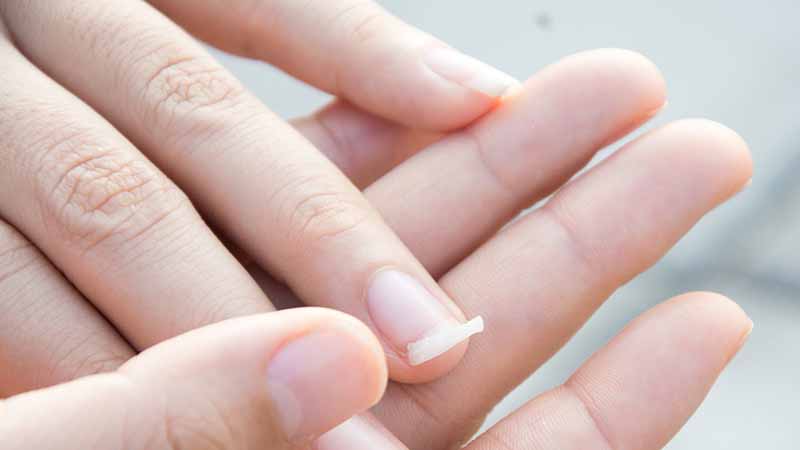
I remember the frustration of looking down at my hands and seeing a crack running down the centre of my thumbnail. It had taken weeks to grow my nails to that length, and in an instant, all that progress was gone. I tried to file it down, but the crack just travelled further. I was about to give up on long nails entirely, but then I learned how to repair and prevent cracks effectively. Here is everything I have learned about cracked nails—why they happen, how to fix them, and how to prevent them from returning.
What Is a Cracked Nail?
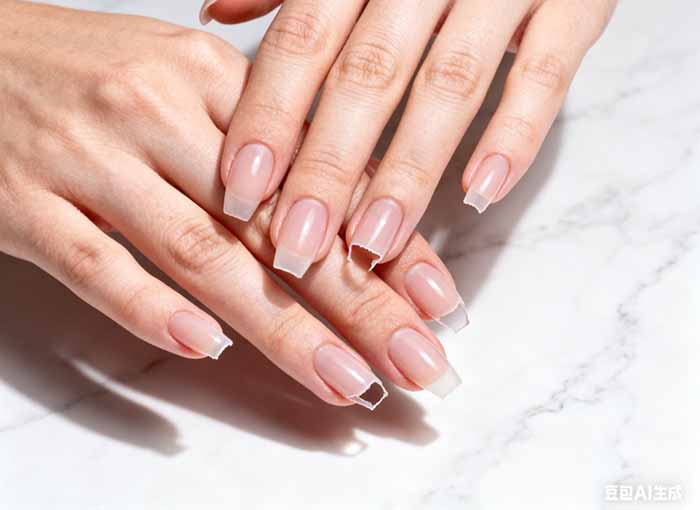
A cracked nail is a split, fracture, or break in the nail plate. Cracks can appear as vertical splits (running from the free edge toward the cuticle), horizontal splits (across the nail), or superficial cracks that affect the top layers. They can be shallow and cosmetic or deep and painful, especially if they reach the nail bed.
Cracked nails are one of the most common nail complaints. They are frustrating, sometimes painful, and can undo weeks of careful growth.
Why Do Nails Crack?
Nails are made of keratin, a protein that is naturally strong and flexible. When they crack, it is usually a sign that something is weakening that structure.
Frequent water exposure is one of the most common culprits. Our nails absorb water, swelling when wet and shrinking as they dry. This repeated cycle breaks down the bonds between nail layers, leading to peeling and cracking. Dishwashing, long showers, and frequent hand washing all contribute.
Harsh chemicals are another major factor. Cleaning products, acetone-based removers, and even some soaps strip the nail of its natural oils, leaving it dry and brittle.
Physical trauma from using your nails as tools—opening cans, peeling stickers, or scraping—creates micro-fractures that weaken the nail plate and lead to cracks. Aggressive filing (sawing back and forth) also creates micro-tears that travel up the nail as it grows.
Nutritional factors also play a role. Nails need protein, iron, zinc, and biotin to stay strong. If your diet lacks these, your nails will show it. Your nails reflect your overall nutritional status.
Aging naturally slows nail growth and reduces oil production, making nails more prone to brittleness and cracking.
Underlying health conditions such as thyroid disorders, anaemia, and psoriasis can also cause nail cracking. If your nails are consistently brittle or peeling despite good care, it is worth consulting a healthcare professional.
How to Fix a Cracked Nail
If the crack hasn’t reached the nail bed and there is no bleeding, you can repair it at home. Here are the most effective methods.
The tea bag method. This is the classic DIY repair. Cut a small piece of a used, dried tea bag to fit the size of the crack. Apply a thin layer of nail glue over the crack. Press the tea bag piece onto the wet glue and smooth it out. Apply another layer of glue over the patch. Let it dry completely (it will turn clear), then gently buff the surface smooth. Apply a base coat and continue with your polish as usual.
The glue and baking soda method. This creates a strong, instant patch. Apply a thin layer of nail glue into and over the crack. Sprinkle a tiny amount of baking soda over the glue. Add another drop of glue and press down gently. The mixture will harden instantly. Buff smooth and seal with a top coat.
The tissue paper method. Similar to the tea bag method, but uses a small piece of tissue paper or coffee filter. It is lighter and more flexible, suitable for minor cracks.
Professional repair. For severe cracks, a salon technician can use a silk wrap or builder gel to seal and strengthen the nail. Silk wraps are thin, durable, and nearly invisible.
How to Care for Cracked Nails
Once you have repaired a crack, proper care is essential to prevent it from worsening or recurring.
Keep the nail short. A shorter nail has less leverage and is less likely to bend and crack. Trim the repaired nail slightly until it grows out.
Apply cuticle oil daily. Hydrated nails are less prone to cracking. Jojoba oil penetrates the nail plate and mimics the skin’s natural oils.
Wear gloves for wet work. Water and harsh chemicals weaken the nail plate. Protect your nails with gloves for dishwashing and cleaning.
Avoid using the nail as a tool. Do not open cans, peel stickers, or scrape with your nails. This puts pressure on the cracked area.
Be gentle with the repair. The patch may need to be reapplied as the nail grows out. Check the repair regularly and reinforce if needed.
How to Prevent Cracked Nails
Prevention is always better than repair. Here are the most effective ways to keep your nails strong and crack-free.
Protect your nails from water. This is the single most effective step. Wear rubber gloves for dishwashing, cleaning, and any task that exposes your nails to water or chemicals. Dry your hands thoroughly after washing.
Hydrate your nails daily. Apply cuticle oil at least twice a day. Jojoba oil is ideal because it closely mimics the skin’s natural oils and penetrates the nail plate. Massage a drop into each nail and cuticle morning and night.
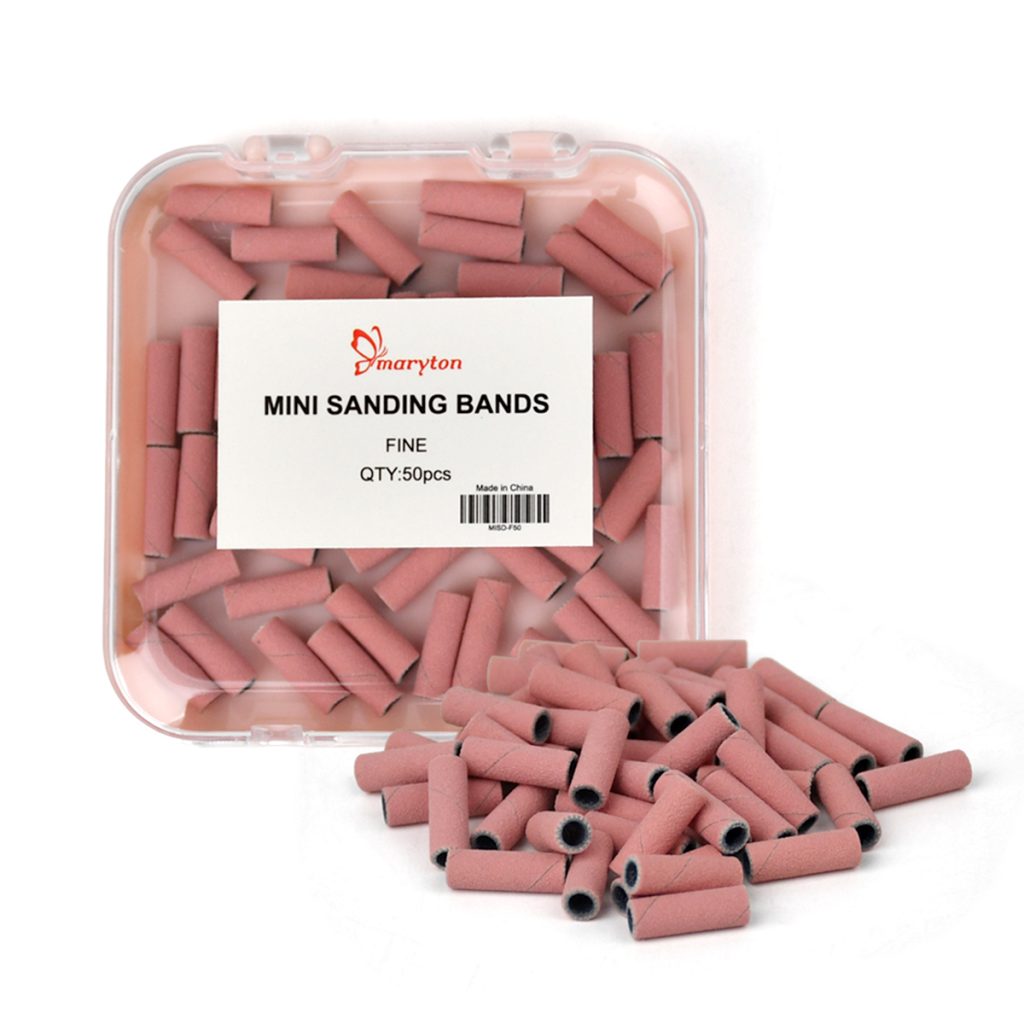
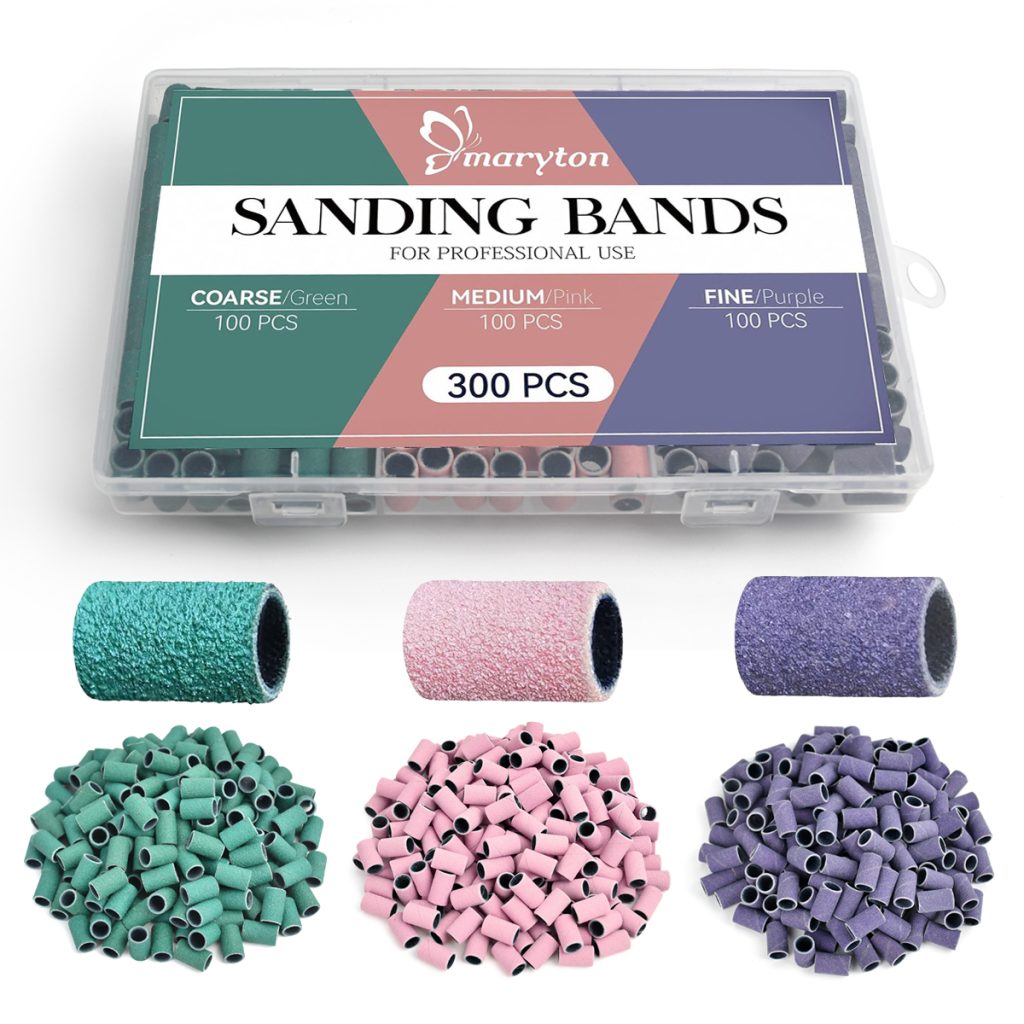
File correctly. Always file in one direction—never saw back and forth. Use a fine-grit sanding band on natural nails. File dry nails only; wet nails are soft and tear. Keep nails at a manageable length to reduce the risk of breakage.
Take breaks from polish. Constant coverage—especially gel or acrylic—can dry out the nail plate. Give your nails a few days of bare, oiled rest every month. This allows the nail plate to rehydrate and helps you spot any changes in colour or texture.
Use a nail strengthener. A keratin-based or calcium-based strengthener can help. Apply a thin layer once a week. Avoid strengtheners containing formaldehyde, which can make nails brittle over time.
Eat for nail health. Nails are made of keratin—a protein. A diet rich in protein, iron, zinc, and biotin supports strong, healthy growth. Include eggs, nuts, leafy greens, and lean meats in your diet.
Be gentle. Treat your nails with care. Do not use them as tools. Avoid aggressive filing and buffing.
The Bottom Line
Cracked nails are frustrating, but they are usually preventable and often fixable. Protect your nails from water, hydrate them daily, file correctly, and eat a balanced diet. If a crack does occur, the tea bag method offers a quick and effective repair. With consistent care, you can keep your nails strong and beautiful. Your nails do a lot for you—give them the care they deserve.
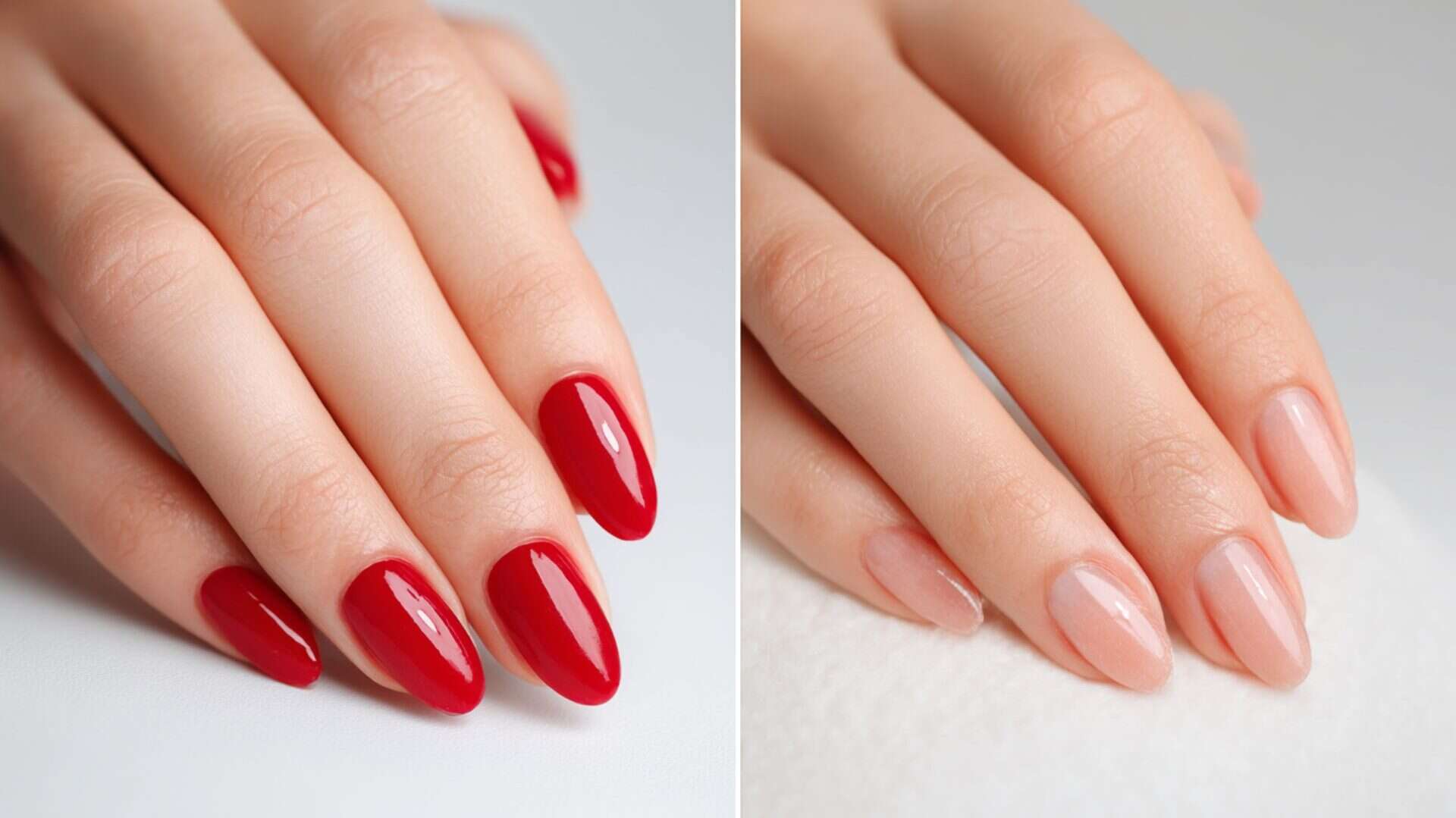
Read also: The Art of Naked Nails: How to Master the “Your Nails but Better” Look
One thought on “The Complete Guide to Cracked Nails: Causes, Repairs, and Prevention”